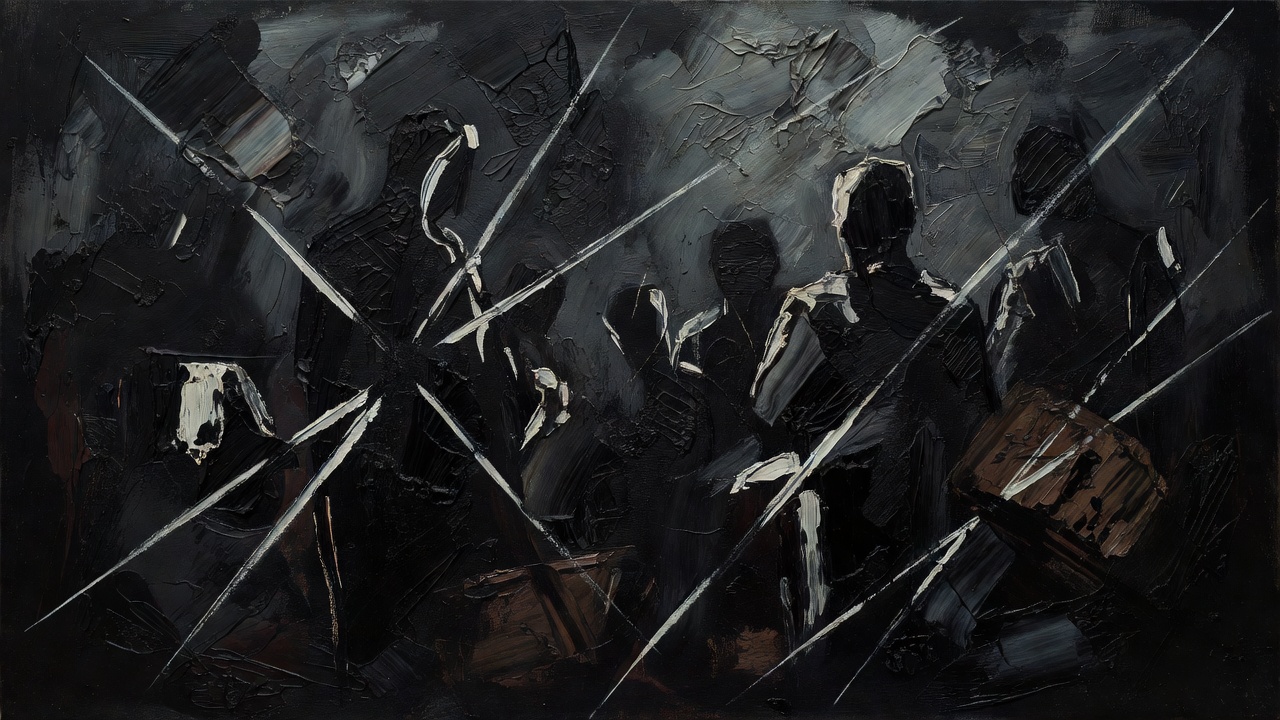
The politics of 9th-century Rome were notoriously cutthroat, but the climax of the era's ecclesiastical corruption occurred in January 897 AD. In an event that shocked even the hardened citizens of medieval Rome, Pope Stephen VI ordered the exhumation of his predecessor, Pope Formosus, and placed the rotting corpse on trial in the Basilica of St. John Lateran. This macabre spectacle is forever remembered as the Cadaver Synod (or Synodus Horrenda).
The Political Climate
To understand the Cadaver Synod, one must understand the factional violence of Italy at the time. Pope Formosus (papacy 891–896) had made powerful enemies by crowning Arnulf of Carinthia as Holy Roman Emperor over the local Italian candidate, Lambert of Spoleto. When Formosus died in 896, the Spoleto faction saw an opportunity to seize power.
Pope Stephen VI ascended to the papacy shortly after, heavily backed by the Spoleto family. To legitimize his own reign and appease his political sponsors, Stephen needed to legally void the acts and ordinations of Formosus. His solution was to put the dead man on trial.
The Trial of the Dead
Formosus had been dead and buried for roughly seven months. Stephen ordered the corpse dug up, dressed in full papal vestments, and propped up on a throne in the basilica. A terrified teenage deacon was appointed to stand behind the throne and speak on behalf of the deceased Pope.
"Stephen screamed accusations at the decaying body, demanding to know why Formosus had usurped the universal Roman See. The trembling deacon, forced to reply for the corpse, muttered weak defenses that were immediately overruled."
Formosus was charged with perjury, coveting the papacy, and violating canon law by acting as a bishop in multiple places at once. Predictably, the corpse was found guilty on all charges.
The Verdict and Desecration
The punishment was as dramatic as the trial. Stephen VI issued the decree of damnatio memoriae against Formosus:
- All acts and ordinations performed by Formosus were annulled.
- The papal vestments were violently torn from the corpse.
- The three fingers of Formosus’s right hand—the fingers used to bestow papal blessings—were hacked off.
- The body was dressed in peasant garb, dragged through the streets of Rome, and unceremoniously thrown into the Tiber River.
The Backlash and Reversal
The brutal spectacle horrified the public. Rumors quickly spread that the body of Formosus had washed up on the banks of the Tiber and began performing miracles. An uprising soon swept through Rome.
Pope Stephen VI was overthrown, stripped of his papal insignia, imprisoned, and strangled to death in his cell just months after the Cadaver Synod. In December of 897, Pope Theodore II recovered Formosus’s body and reinterred it in St. Peter's Basilica with full honors. The decrees of the Cadaver Synod were officially annulled, though the damage to the papacy's reputation during the "Saeculum obscurum" (dark age of the papacy) lingered for generations.